Human Dignity
Recognize the worth and complexity of every person. Attend to the person within an account, beyond a category, role, or circumstance.
Recognition is where our responsibility begins.
The Human Reliquary Project is a public-humanities initiative bringing poetry, research, cultural inquiry, and civic practice into shared life. We create spaces for people to be heard, experiences to be examined, and cultural knowledge to inform how we understand one another and the world we build together.
Some of the most consequential parts of a human life are the least visible.
A person may have the qualifications for meaningful work and still encounter barriers to opportunity. Someone may receive medical care while struggling to find language for what they are experiencing. A community may carry generations of knowledge that have never entered an official record.
These realities reveal something important about the relationship between people and institutions: what can be documented is not always the whole of what can be known.
The Human Reliquary Project grew from an interest in that distinction and a belief that human experience deserves serious attention, both as a subject of inquiry and as a source of knowledge.
Our founding question was not simply how to hear more stories, but what it means to listen responsibly, understand what is shared, and consider its significance for public life.
Poetry is where much of our inquiry begins. It invites close attention to language, silence, contradiction, and the details through which people give meaning to their experiences. It allows complexity to remain visible, even when an experience resists a simple explanation.
We bring this discipline into conversation with storytelling, oral history, narrative inquiry, and other approaches to understanding human life. Each has its own purpose and limitations. Together, they create opportunities to investigate experiences that may be difficult to express through conventional forms of documentation alone.
Attention influences what enters our understanding and what remains outside it. The questions researchers choose, the voices institutions include, the histories communities preserve, and the experiences decision-makers consider all influence the knowledge on which future decisions depend.
Our commitment is to develop practices of inquiry that are careful in their methods, open to examination, and respectful of the people whose experiences inform them.
Every language offers ways of naming, interpreting, and sharing human experience. Within language are expressions of belonging, humor, grief, affection, knowledge, and relationships that may not transfer neatly from one cultural context to another.
We are interested in how language lives within communities, how it changes across generations, and what is at stake when particular forms of expression are neglected or lost. Preservation requires attention to the origins of a record, the people who use it, and the circumstances that give it meaning.
Explore Language & Preservation →
Working with human experience carries obligations. People should understand why their stories are being gathered, how their contributions may be interpreted, who may have access to them, and what choices remain theirs.
Care requires more than good intentions. It calls for clear communication, informed consent, respect for cultural context, appropriate safeguards, and a willingness to acknowledge the limits of our understanding. These principles guide the ethical framework we are developing across our research, programs, and public activities.
Explore Our Commitments →We are building an institution capable of asking enduring questions while remaining responsive to the changing conditions of human life. Our ambitions include contributing original research, developing thoughtful creative and educational practices, supporting cultural preservation, and bringing humanistic perspectives into civic and institutional conversations.
We are equally interested in what communities can teach us about the futures they wish to inhabit. Our understanding will develop, our methods will be tested and refined, and new collaborators and questions will shape the institution over time.
Humanity is a practice.
The way we work matters as much as the work we produce.
These commitments guide the development of our institution and the responsibilities we take toward people, knowledge, and public life.
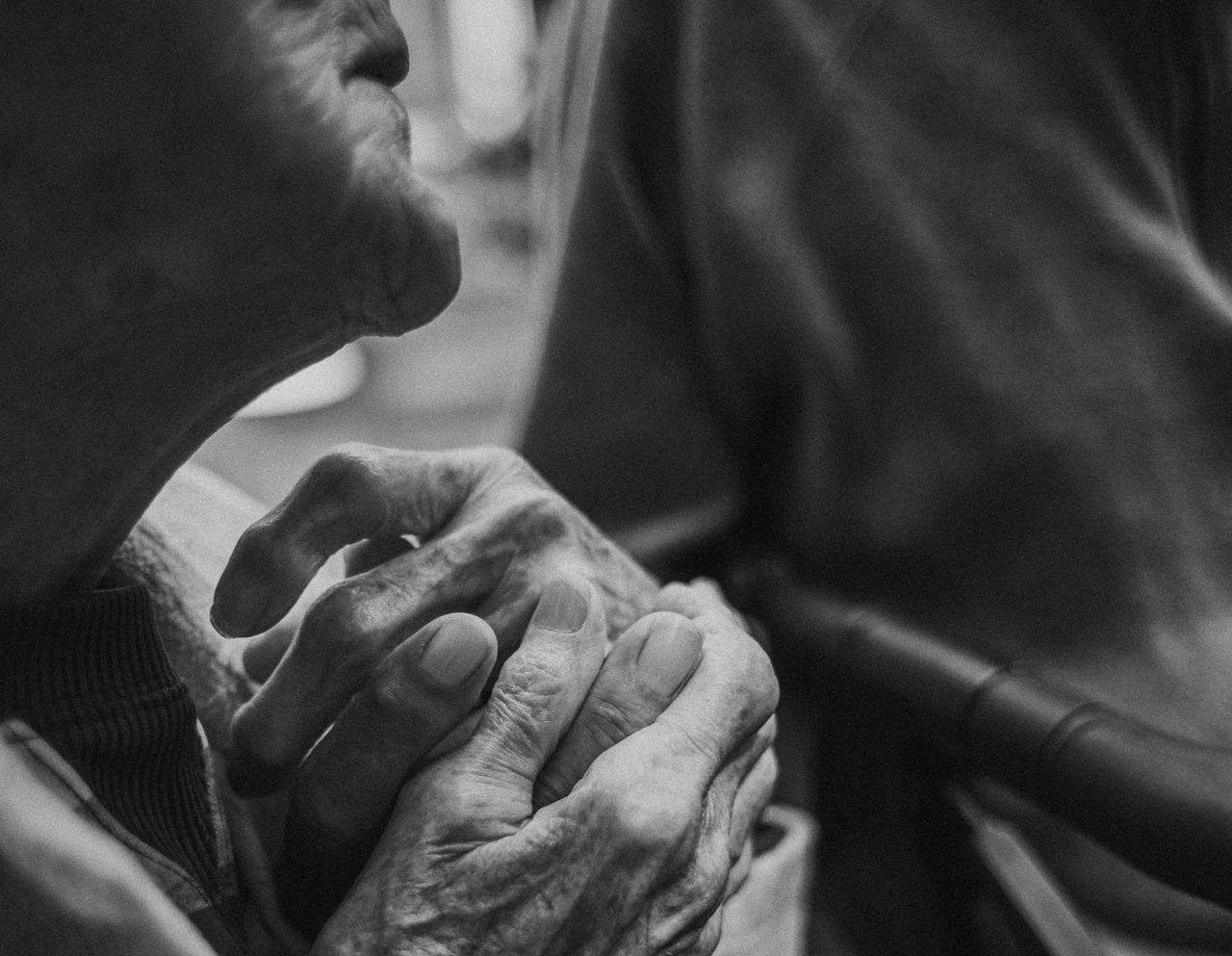
Recognize the worth and complexity of every person. Attend to the person within an account, beyond a category, role, or circumstance.
Approach people and their experiences with consideration and purpose. Make room for their priorities, pace, and boundaries.
Use methods suited to the question, acknowledge limitations, and distinguish evidence from interpretation. Remain willing to examine and revise our understanding.
Communicate honestly about intentions, processes, decisions, and limitations. Make proposed uses and the conditions of participation understandable.
Encourage participation, reciprocity, and accountability in collective work. Consider what value returns to the people and communities involved.
Respect consent, cultural context, access rights, and the responsible preservation of testimony and records. Keep provenance and participant agency present as material moves into new settings.
Our consent framework describes how participation, review, and release are considered with narrators. Further policies will be made available as they are established.
Consent & stewardship →People →Language carries histories, relationships, cultural knowledge, and ways of understanding human experience.
Our interest in preservation extends to the spoken word, poetry, testimony, correspondence, multilingual expression, and the records through which communities understand themselves.
Language holds ways of naming, thinking, relating, and understanding a place. Its continuity depends on people being able to use it, create within it, and pass knowledge between generations. The Poetic Scaffold is a developing practice-led inquiry into contemporary poetry in Ibibio. It considers how literary expression can participate in cultural continuity, with attention to local knowledge and community agency.
Explore The Poetic Scaffold →Provenance connects material to the people and circumstances through which it was created. Description, documented permissions, appropriate access, and sustainable preservation help that context travel with the record. The Oral History Association’s principles and best practices and the Society of American Archivists’ Code of Ethics inform this developing approach.
Explore the Repository →Inquiry, formation, practice, exchange, civic duty: five ways to connect understanding with practice.

We ask.
Listening and narrative inquiry that recognize lived experience as knowledge.
Explore Hypothesis →
We grow.
Young people learning to bring language, judgment, and care into the way they lead.
Explore Upbuilding →
We give and receive.
A public practice of generosity, carried from one person to another through handwritten poetry.
Explore Mutuality →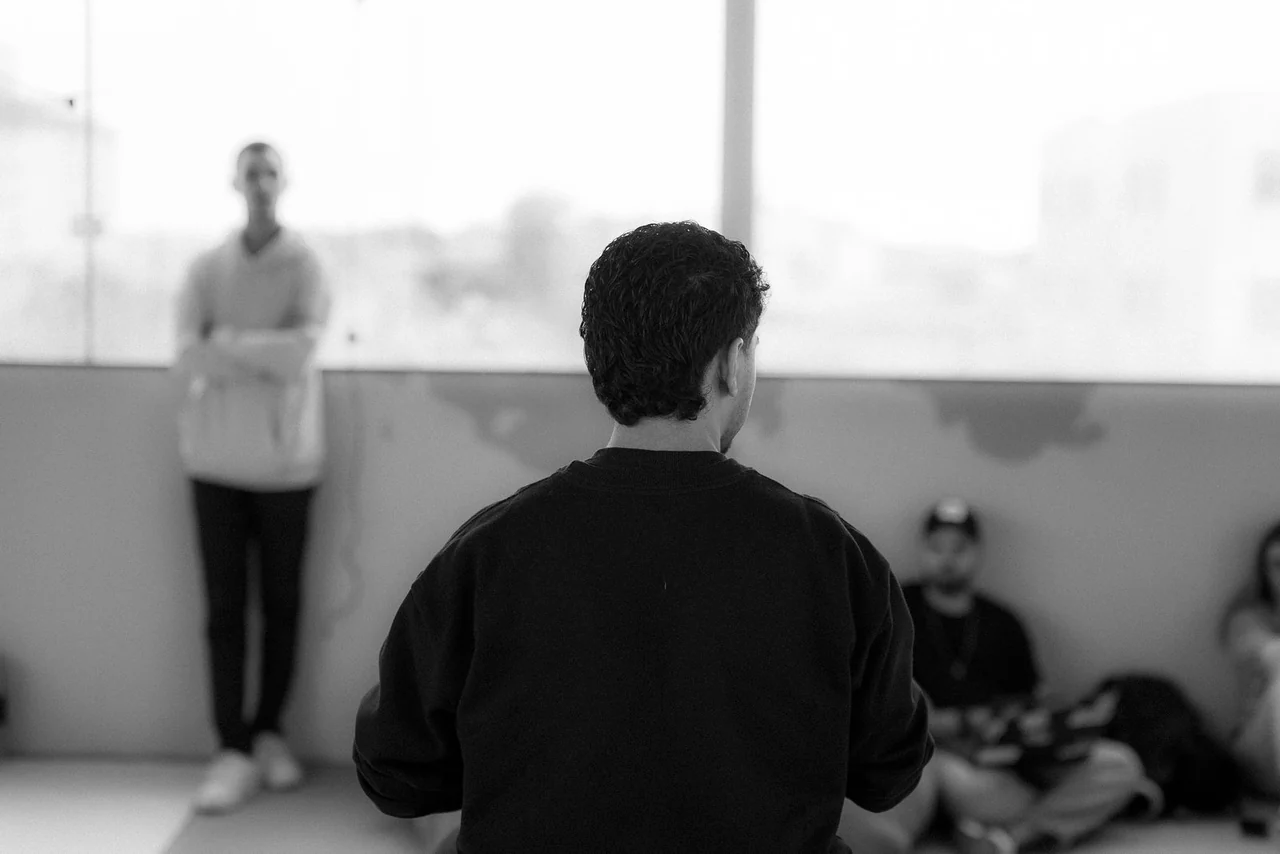
We come together.
Poetry gatherings that make room for language, cultural difference, and attentive exchange.
Explore Assembly →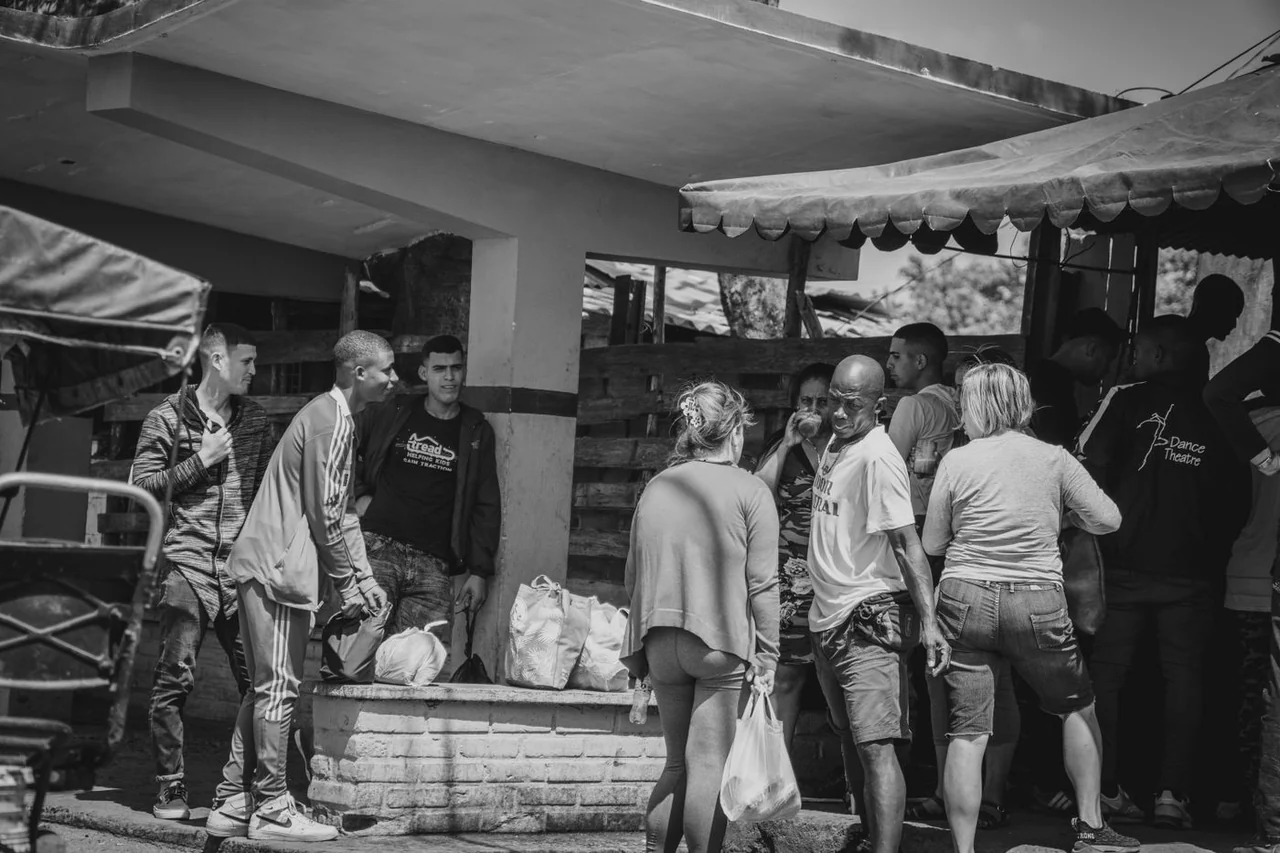
We take responsibility.
Asking what responsibility follows when we understand how housing, work, and care are lived.
Explore Neighborliness →What the work leaves behind becomes part of the Reliquary.
Explore the living record →Inquiry & interpretive practice
Aperture Lab is the inquiry space of The Human Reliquary Project. It brings disciplined listening, narrative inquiry, and poetic interpretation together to understand lived experience as knowledge. We ask how experience is shaped by culture, geography, life transitions, and the systems people encounter. The inquiry preserves the particularity of each account while considering what it may help us understand beyond the individual encounter.
Practice-led Ibibio literary revitalization, connecting contemporary poetry with oral histories and the 1983 orthography work. Active field data verification, with an abstract submitted for Howard University AIKAL 2027. Peer review notification pending November 20, 2026.
Read the research →A six-person pilot across Nigeria and the United States informs an independent two-year research horizon of 35 to 50 narrative encounters, thematic analysis, and a cross-cultural monograph.
Read the research →A proposed 36-month study of everyday meaning-making after life-altering disruption. The $261,700 prospectus is open for institutional co-sponsorship.
Read the research →Critical inquiry into artificial intelligence processing, data digitalization, and the preservation of soul in indigenous oral archives.
AIKAL 2027 / Submitted October 2026
Peer review notification pending: November 20, 2026
How can sustained listening, text compression, and poetic translation carry testimony into an unornamented record while preserving the substance and particularity of what was shared?
Listening establishes the encounter. Reflection considers its context. Composition shapes a poetic response. Review returns interpretive choices to the participant, and return places the completed work in their hands. The source account remains distinct from the poem, and wider use is defined through agreement.
OHA best practices inform preparation, informed consent, attention to narrator priorities, and opportunities for review before public release.
The SAA Code of Ethics guides selection, description, privacy, and the responsibilities of long-term stewardship.
Conventional linguistic archiving frequently sterilizes living human culture. By prioritizing passive grammatical cataloging over the lived, fluid evolution of human thought, traditional academic frameworks treat endangered languages as historical specimens.
LAB-OP-2026-IBIBIO counters this erosion through a practice-based framework for linguistic continuity: the collaborative creation of a contemporary written poetry collection, composed natively in the Ibibio language of southeastern Nigeria.
This research track takes the historic 1983 Ibibio orthography work as a point of departure for contemporary literary practice. Native-speaker work on the written language provides a foundation for local agency in knowledge production.
Contemporary Ibibio verse becomes a localized mechanism of self-determined cultural recovery, honoring linguistic fluidities within the wider Ibibio-Efik dialect cluster.
Historical reference: The Orthography of the Ibibio Language, 1983 ↗Grounded in the collection of Ibibio oral histories, with OHA ethical guidance informing participation, the project draws its structural, thematic, and rhythmic life from two pillars of indigenous knowledge:
By embedding cultural narratives and localized proverbial architectures into contemporary verse, the project explores how poetic cadences carry the tonal shifts and metaphysical frameworks of Ibibio identity.
Submitted for the 3rd Howard University African Indigenous Knowledge and Languages Conference.
Submitted October 2026 / Pending peer review notification .
Request the academic abstract →The practice-led methodology centers indigenous ownership of knowledge production in the digital era. Oral History Association best practices and Society of American Archivists ethics inform its development.
© 2026 Joy-Jayne Bassey / The Human Reliquary Project. Please attribute the framework and methodology when citing this work.
How can the weight of profound human transitions, including serious illness, caregiving, ancestral loss, and systemic displacement, be held and communicated across institutional structures without losing the substance of the individual journey?
The Unornamented Verse Project brings disciplined creative practice into conversation with qualitative research. It treats lived experience as a source of meaning worthy of careful stewardship, rather than passive, extractive documentation.
Every rhythmic choice, structural image, line break, and omission is an interpretive decision. The completed text is returned to the narrator for personal custody and review. It remains a creative interpretation, distinct from the original account.
The six-person pilot explored the listening encounter and returned poetic artifact across Nigeria and the United States. Five women and one man participated through four Zoom encounters, one transcribed voice note, and one in-person session.
DATASET-UNORNAMENTED-2025 / Methodological overview
| Code | Thematic focus | Encounter medium | Geographic context |
|---|---|---|---|
| P-01 | Generational loss & lineage continuity | Synchronous virtual (Zoom) | Transnational (US / Nigeria) |
| P-02 | End-of-life witnessing & clergy care | Synchronous virtual (Zoom) | North America |
| P-03 | Neighborliness during the Chibok crisis | Asynchronous audio transcript | West Africa (Nigeria) |
| P-04 | Parental shelter & autonomy | Synchronous virtual (Zoom) | Transnational (US / Nigeria) |
| P-05 | Identity reconstruction after institutional faith-harm | In person | Mid-Atlantic US |
| P-06 | Creative originality & epistemic agency | Synchronous virtual (Zoom) | Transnational (US / Nigeria) |
This public overview contains no source recordings or transcripts. Access to narrative materials is governed by participant permissions.
Thank you for the listening ear. It drew out so much from me. Sharing came fluidly.
I am forever thankful for you and this heartfelt poem of witnessing part of my journey.
This process allowed me to remember my childhood and see how far I have come.
I walked away with a gift I will hold onto for the ages.
Anonymous participant feedback describes the value of listening and receiving a poem. These accounts offer qualitative insight into the pilot; they do not establish clinical effectiveness.
OHA principles and best practices and the SAA Code of Ethics guide consent, provenance, review, and access. The 2025 pilot took place through listening and humanistic training associated with The Good Listening Project. The pilot informs the independent research horizon described above.
© 2026 Joy-Jayne Bassey / The Human Reliquary Project. Please attribute the framework and methodology when citing this work.
Inter-institutional collaborations & systemic adaptations
The OSP Collective
Open Social Prescribing (OSP) is a cross-cultural initiative exploring how social prescribing can become a more citizen-led, everyday practice rooted in lived experience, creativity, and community knowledge. Through the formation of the OSP Collective, ten participating fellows of the Global Arts in Medicine Fellowship (GAIMF) contribute new social prescriptions, everyday remedies, and community recipes from their respective environments.
These contributions help test and develop the OSP methodology across different cultural and place-based contexts, forming the basis of a shared prototype repository. The longer-term ambition is to grow an international collaborative network for community-led social prescribing, with future potential for AI-assisted matching between people, practices, and community resources.
Joy-Jayne Bassey’s contribution focuses on knowledge and archival stewardship: developing a structured approach to the initiative’s records, operational documentation, and institutional learning. The work includes narrative collection methods and repository organization that can support future evaluation of community-led practices.
| Dimension | Collective vision | Contribution & focus |
|---|---|---|
| Collective mandate | Investigating citizen-led social prescriptions across cultural, regional, and social contexts. | Knowledge & archive development: records, operational documentation, and institutional learning. |
| Evidence base | Developing cross-cultural documentation to study grassroots community wellbeing practices. | Repository infrastructure: organization and stewardship of participant-generated materials. |
OSP is an evolving, multi-author collaboration in a developing prototype phase. Institutional roles, shared protocols, and repository access models remain in development. This collaboration is distinct from Aperture Lab’s independent research tracks.
Critical inquiry into artificial intelligence processing, data digitalization, and the preservation of soul in indigenous oral archives.
As digital humanities initiatives accelerate the migration of African oral traditions into virtual spaces, the integration of artificial intelligence tools presents unprecedented archival scale alongside profound ethical challenges. Algorithmic processing frequently treats digitalization as a purely mechanical transfer of audio files to data blocks, risking the flattening of the vital essence, tonal nuances, and cosmic meaning of the spoken word.
This research track examines the critical intersections of data digitalization, linguistic AI modeling, and cultural integrity through an applied narrative strategy lens. Drawing from field methodologies designed within The Ordinary After, the study proposes a human-centric narrative stewardship model for digitalization, establishing that AI tools must remain subordinate to native listening practices and community custody.
The research abstract was submitted to the 3rd Howard University African Indigenous Knowledge and Languages Conference in October 2026.
Submitted October 2026 / Pending peer review notification .
Request the academic abstract →© 2026 Joy-Jayne Bassey / The Human Reliquary Project. Please attribute the framework and methodology when citing this work.
Serious illness, profound loss, displacement, and unexpected systemic failures challenge how individuals understand themselves and the futures they imagined. Research on trauma and resilience often centers visible turning points and post-traumatic growth. This study attends instead to the repeated, ordinary processes through which people interpret disruption and rebuild meaning, without assuming that disruption automatically produces growth.
The study investigates how people construct meaningful ways of living amid uncertainty. Ordinary practices include returning to a morning walk, preparing familiar meals, revisiting meaningful places, or engaging in routine conversations. These actions may support continuity, agency, and identity after profound change.
The funding request totals $261,700. The allocation below describes the proposed resources for the three-year study.
| Allocation | Scope | Budget |
|---|---|---|
| Project Leadership | Interview design, field collection coordination, analysis, and research direction. | $70,000 |
| Participant Equity | Narrator compensation supporting ethical, diverse participation. | $30,000 |
| Fieldwork Infrastructure | Documentation materials, secure storage, and qualitative analysis software. | $20,000 |
| Transcription & Coding | Verbatim transcription and narrative analysis. | $35,000 |
| Interdisciplinary Advisors | Expert consultation across health humanities, philosophy, religious studies, and psychology. | $35,000 |
| Dissemination & Assets | Publication fees, conference travel, and narrative chapbook production. | $33,000 |
| Indirect Operations | Research administration, institutional infrastructure, and stewardship oversight. | $38,700 |
| Total | $261,700 | |
The prospectus is open for institutional co-sponsorship, full or partial grants, and support for specific budget allocations. Public access to sensitive narratives depends on explicit participant agreements.
© 2026 Joy-Jayne Bassey / The Human Reliquary Project. Please attribute the framework and methodology when citing this work.

We grow.
The Poetry Leadership Fellowship develops emerging young leaders through poetry, leadership practice, and civic engagement.
Leadership begins with how we regard other people. Fellows learn to listen closely, use language with care, and bring what they understand into decisions made with others. Co-founded and co-led by Bassey alongside Dr. Scholastica Wilson Olagunju, the fellowship serves ages 17 to 22 through transnational cohort hubs across West Africa, East Africa, Europe, and South & Southeast Asia.
Inaugural cohort: The first fellowship cohort is now being prepared for February through June 2027.
Learning to use words with precision, imagination, and responsibility.
Developing the capacity to listen, speak, collaborate, and act with intention.
Considering what we inherit, what we carry forward, and what we return to the communities that formed us.
Upbuilding is measured by what remains after the program ends. The fellowship is designed to deepen a fellow's relationship to language, strengthen the way they practice leadership with others, and place them inside a cohort that can continue beyond the five months. The aim is growth that can be carried back into community life.

We give and receive as humans.
A public practice of generosity, one handwritten poem at a time.
The HumanMail Initiative sends handwritten poems to people at moments when language can offer company. Sometimes that moment is tender, sometimes joyful, sometimes simply part of an ordinary day. The gesture begins with one person choosing to give another person time, language, and a physical record of care. Poems are written by volunteer HumanMail Poets and delivered under clear confidentiality and consent standards. The practice gives attention a physical form: one person chooses the words, writes them by hand, and sends them into another person’s life.
Mutuality gives recognition an everyday form. A person is regarded as worthy of time and care, and that regard becomes a handwritten gesture they can receive and hold.
Slowness changes the act. Someone sits down, chooses the words, writes them by hand, and carries them to the mail. The physical record matters because the gesture itself has taken time.
Slowness itself is a form of respect.

We come together.
Every poem comes from somewhere. MuseVerse Circle gathers people around poetry in the languages that formed it, so the original voice enters the room before translation begins.
Hearing a poem in its own language asks us to encounter a world through another person’s terms. Sound carries cultural knowledge, and translation opens a conversation about what crosses between languages and what remains particular.
Farsi has returned across two assemblies, creating a small continuity within the larger multilingual record.
A poem enters the room in the language in which it was written. Context opens around it. Translation follows. Conversation moves through rhythm, place, history, and the cultural world the poem carries. Assembly gives difference time, attention, and company. The Circle grows one language at a time. Gatherings become reading guides and records that allow what happened in the room to remain available after the room has emptied. The continuing record makes room for language in the forms people actually use, including speech, writing, and sign.
The circle is both metaphor and structure. Every voice matters here. Every tradition deserves its center.
An assembly leaves behind more than the event itself. The language heard in the room changes the record of the project, and the relationships formed there create the conditions for another gathering.
Visit the record →Recognizing human dignity carries a responsibility to consider the conditions under which people live. Civic Life connects poetry in public settings with inquiry into housing, opportunity, and care.
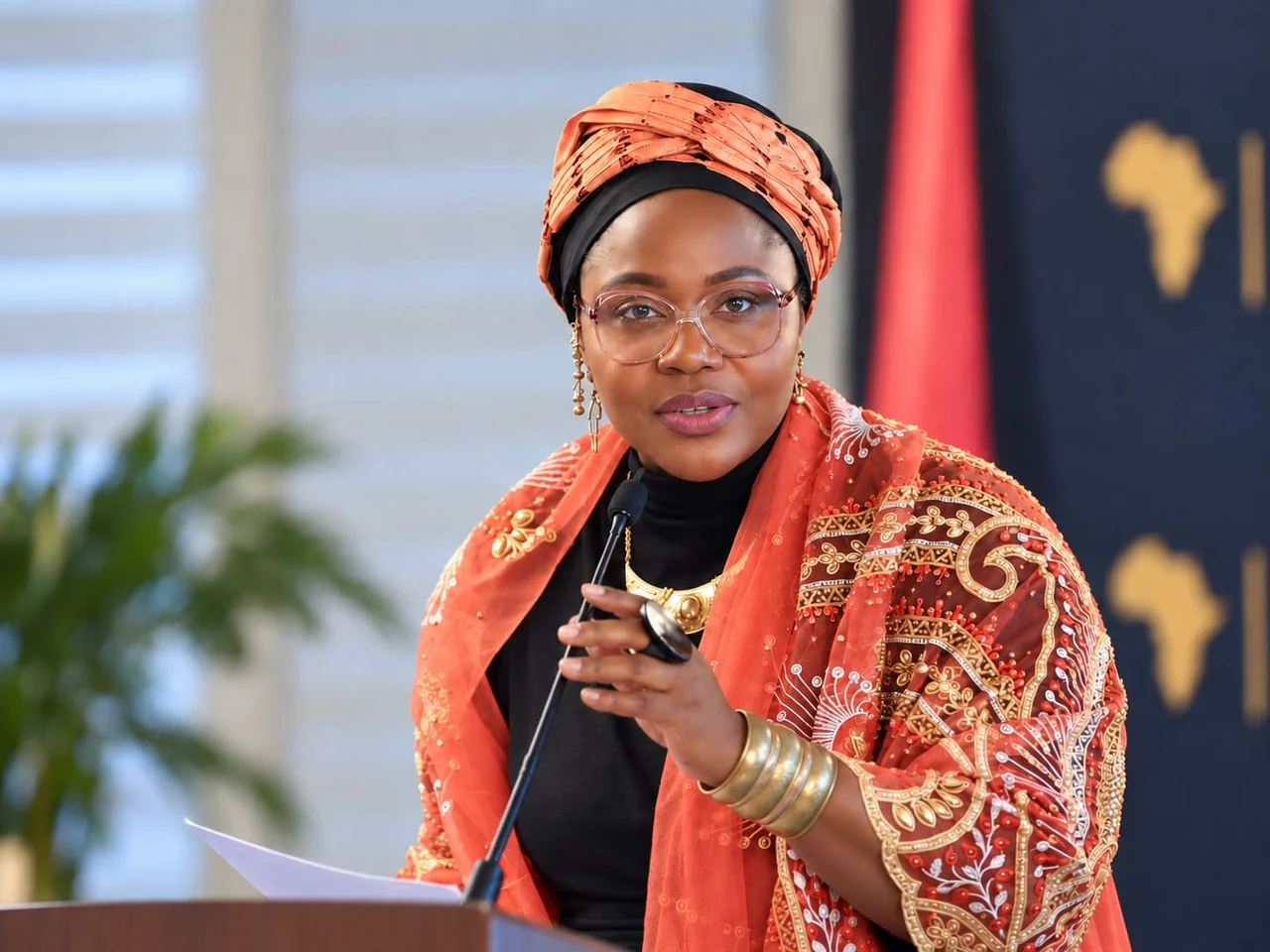
Readings, poems, and cultural encounters that bring another kind of attention into civic life.
Explore →
Housing, livelihood, and community mental health in Maryland and Montgomery County.
Explore →Poetry can offer narrative precision. Through close attention to language, relationships, and circumstances, it makes room for dimensions of lived experience that statistics alone may not convey. Alongside quantitative evidence, a poetic record can help public audiences consider what a policy means in a person’s daily life. The poem remains an interpretation, shaped through deliberate choices and accountable to the person whose experience informs it.
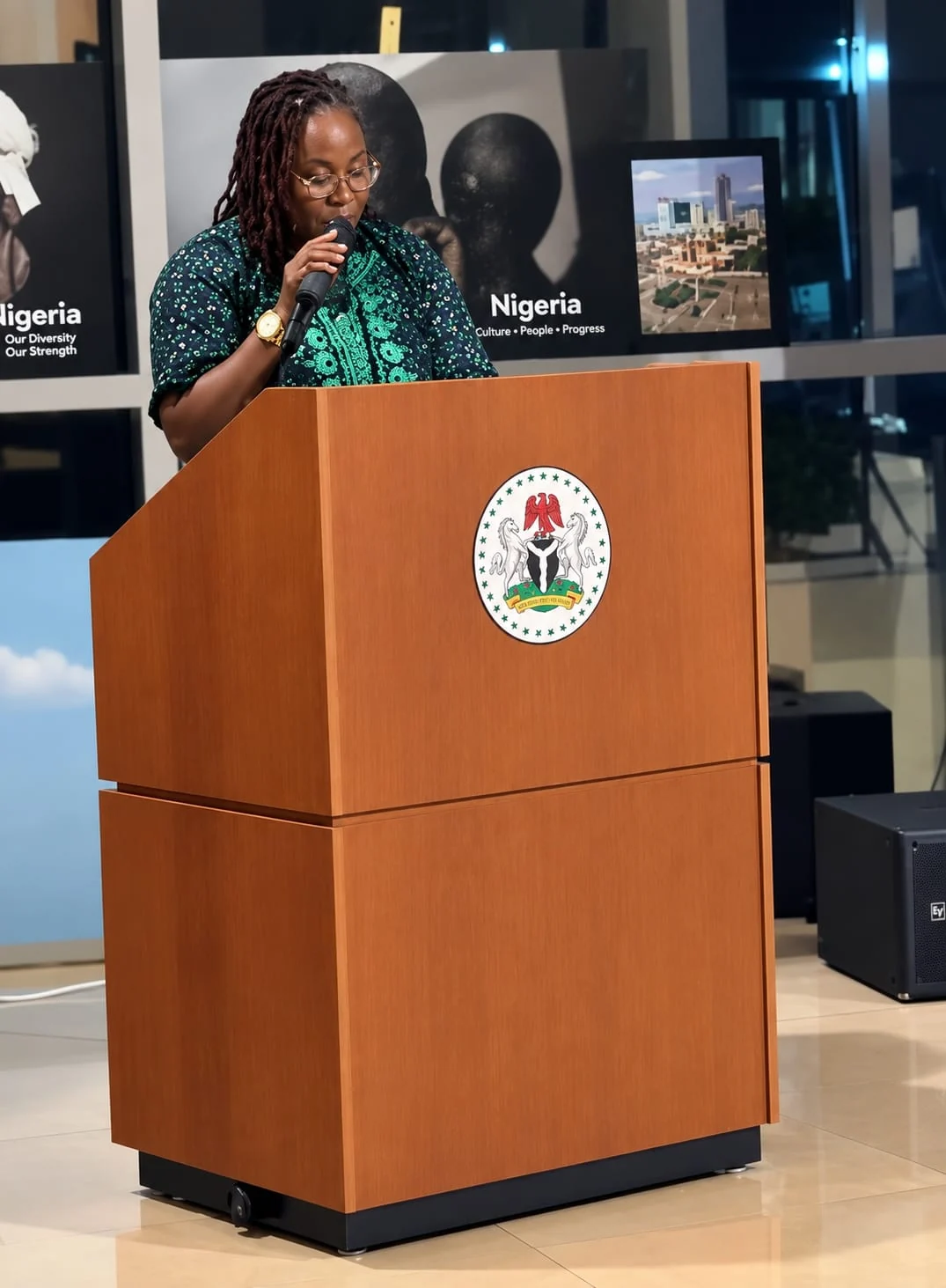
A poetry reading placed culture inside a room shaped by economics, development, and diplomacy. The poem approached the Nigerian table as a civic space where labor, exchange, inheritance, innovation, and belonging meet.
Every nation has a heartbeat.
Ours begins with rhythm and a table.
At our tables, ideas are exchanged like recipes.
Innovation begins as conversation
the farmer speaking to the trader,
the engineer to the storyteller,
the child learning that every hand matters.
Because our culture is not a relic;
it is a renewable resource.
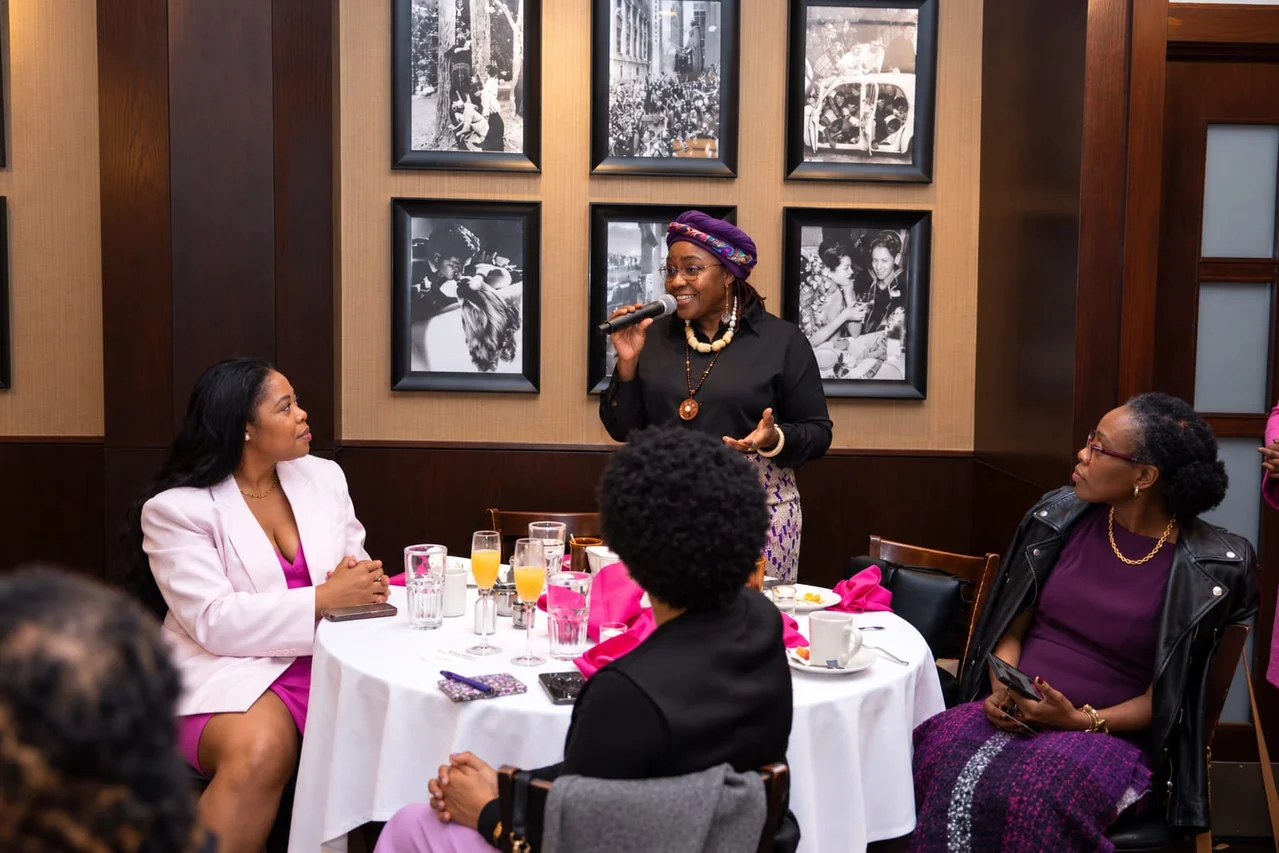
Written for International Women’s Day, the poem placed women’s labor of care at the center of public life and treated care as a force that helps civilization endure.
History did not survive because of power.
History survived
because somewhere
a woman
decided to care.
Care is the quiet engine of civilization.
It is how hungry children reach tomorrow.
It is how broken worlds
slowly learn to heal.
Written for a gathering honoring women in leadership, the poem turned the language of achievement toward the person beneath the title: what leadership asks women to carry, what recognition can see, and what remains after the applause.
The leadership they will talk about tonight,
the kind with your name engraved on it,
was only ever the visible part,
the part that fit on a plaque.
You were enough before the appointment.
You will be enough after the applause ends.
Then go home, and be, for a while,
nothing but hers, and yours,
and human.
Everyone down at the office talks about the vouchers
like they are keys to an open door
but when you carry three kids and a piece of paper
through the rain along Georgia Avenue
every landlord looks at your hands
and sees a risk they don't have to take. The policy says we have been relocated.
The truth is we have been unthreaded.
You can build a transit corridor with concrete
but you cannot house a soul in a spreadsheet.
The conditions under which people live. An archive that remains passive in the face of structural failure is incomplete. The Human Reliquary Project translates narrative inquiry and poetic records into cultural briefings that connect lived experience with civic questions.
Economic indices, zoning quotas, and administrative records can describe conditions without fully conveying how people experience them. Our advocacy asks how the witness record can inform legislative discussion, regulatory review, and civic organizing in Maryland and Montgomery County. Housing and care also intersect: a person navigating pregnancy while seeking a stable home experiences these systems together. Attending to that experience connects housing stability with maternal wellbeing and access to support.
What does displacement take beyond an address? We attend to neighborhood ties, everyday support, and the work of rebuilding stability.
Explore →What makes a pathway into work truly accessible? We listen to how career transition changes identity, daily life, and a person’s sense of possibility.
Explore →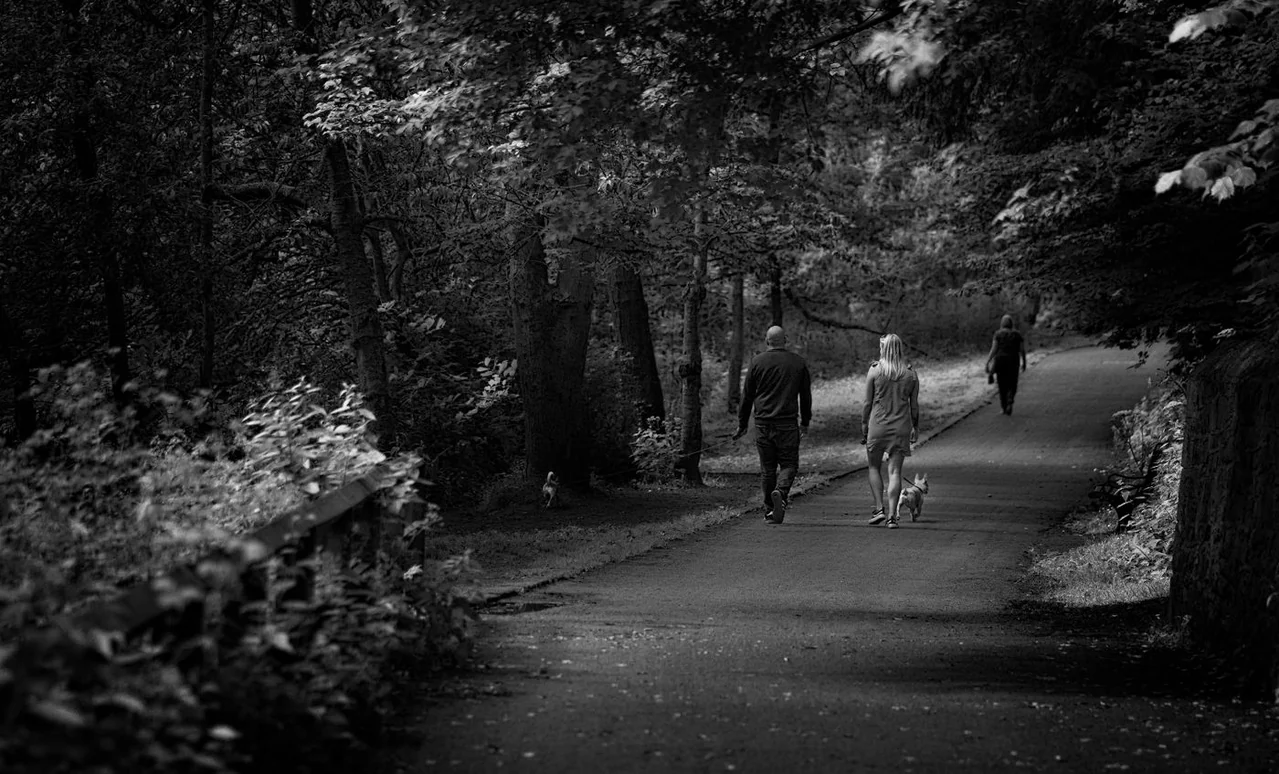
What helps people find support and connection? We attend to cultural context, maternal wellbeing, and the everyday experience of seeking care.
Explore →Briefs connect research with the local questions described above. Request a copy or propose a policy evaluation collaboration.
EX-42-RELIQ is an illustrative housing testimony exhibit, not a verified entry in a Council hearing record. The Open Social Prescribing adaptation, OSP-GAIMF-01, is under review.
Request a cultural briefing → Propose policy evaluation collaboration →A stable physical foundation matters to human wellbeing. Housing shortages in Montgomery County create instability for families. The Moderately Priced Dwelling Unit program supports affordable housing, while cost pressures and barriers to supply continue to shape access to long-term stability.
Tracing the experiences of housing displacement can reveal the loss of neighborhood relationships, support, and continuity that a voucher or housing statistic cannot fully describe. Cultural briefings bring these experiences into conversation with zoning reform, rental protection, and community action along corridors such as Georgia Avenue.
Human dignity depends in part on access to sustainable livelihoods. Regional economic growth does not by itself ensure accessible pathways for underemployed people or workers facing displacement. Training, care responsibilities, transportation, and the conditions of entry shape economic agency.
Drawing on systems infrastructure experience, the Lab attends to workers moving through industrial and technological change. Their accounts can reveal identity transitions and barriers that unemployment statistics miss. Cultural briefings connect this knowledge with workforce development and labor organizing.
The county’s 2023 Community Health Needs Assessment identified mental health as the most important health issue among surveyed residents and stakeholders. Cultural context, language, and the availability of appropriate care shape whether support is accessible.
Through arts-in-health and social prescribing inquiry, we study ordinary practices through which people find connection and reconstruct meaning after loss, serious illness, or institutional disruption. Narrative knowledge can contribute to community care, chaplaincy, and health humanities alongside clinical assessment. It does not replace clinical care.

From the Reliquary is where the work remains available after the moment has passed, carrying forward what happened and what it changed.
A poet laureate reading for women in leadership turned recognition toward the person beneath the title.
Enter the Civic Record →An International Women’s Day poem naming care as a force that keeps public life moving.
Enter the Civic Record →A reading during the IMF / World Bank Annual Event brought culture, economy, and belonging into the same public room.
Enter the Civic Record →Farsi, Portuguese, Ukrainian, Norwegian, Macedonian, and Czech are part of the multilingual record so far.
Explore Assembly →The work grows through people willing to listen, contribute, and act with care. Participation is one way to turn shared humanity into a responsibility we practice.
Contact: contact@humanreliquary.org

Bring the capacity you have: a poem, a gathering, a research question, practical resources, or an institutional collaboration.
Choose the form of participation that fits how you want to contribute. Grant, press, and partnership inquiries can also begin through the contact form below.
Become a volunteer HumanMail Poet and create handwritten poems for people nominated to receive them.
The inaugural cohort is being prepared for February through June 2027. Schools and organizations can partner with the fellowship, sponsor a cohort, or contribute as guest instructors.
Join the Circle for gatherings, curated poetry, reading guides, and cultural exchange.
Bring a school, museum, arts organization, civic body, funder, or research partner into conversation with the project.
Support the shared foundation beneath all five programs through sponsorship, introductions, resources, and future giving.
Tell us where you would like to enter the work and we will route your message to the right place.
We welcome conversations with philanthropic organizations, academic centers, municipal agencies, and cultural partners about supporting research, learning, and public cultural work.
We welcome conversations with cultural practitioners, researchers, educators, community organizations, and institutions whose work connects with these questions. Responsible collaboration begins with clarity about purpose, contribution, participant rights, and how the work will be shared.
Discuss a collaboration →PoetPublic HumanistCultural Futurist
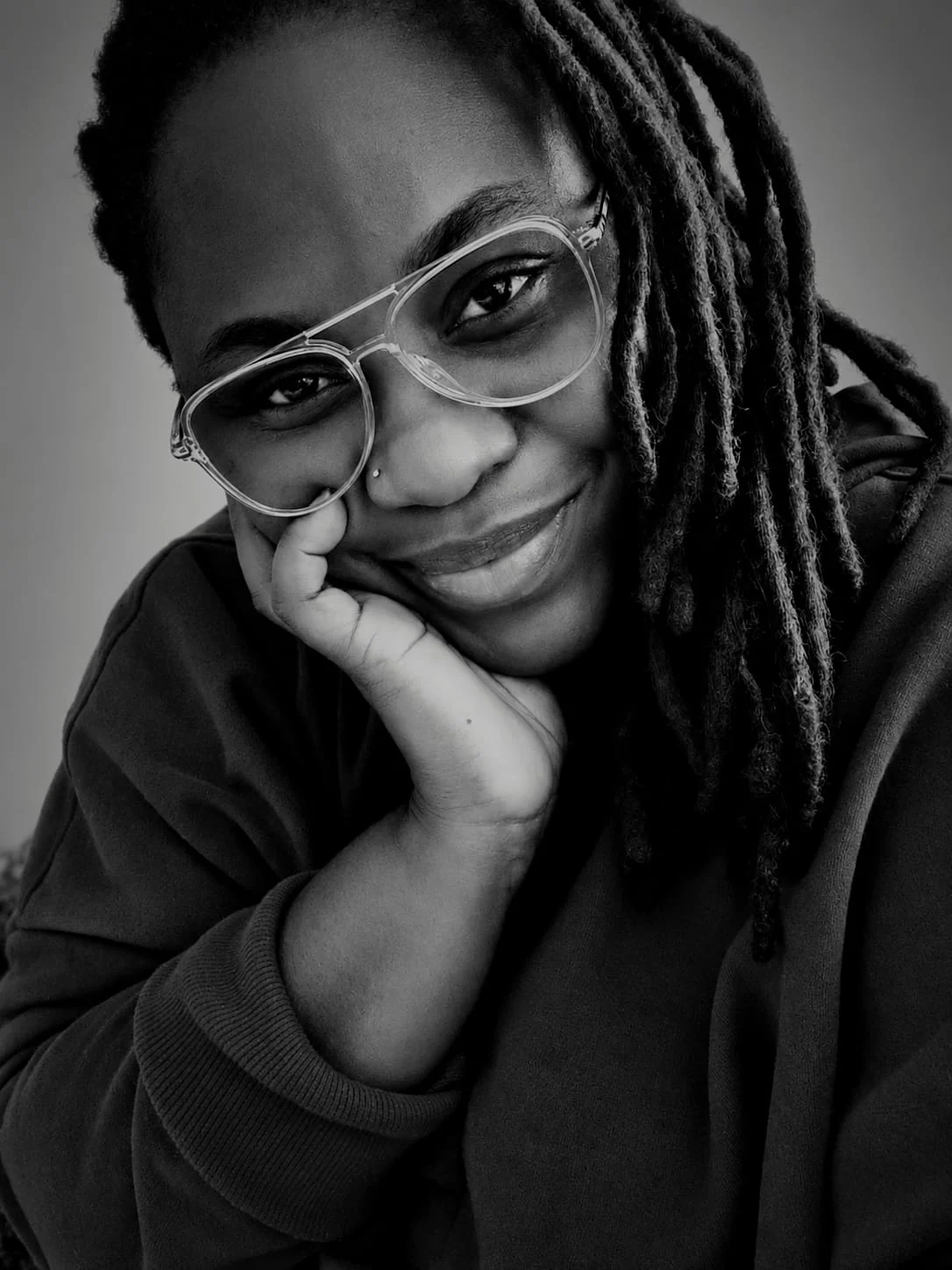
Joy-Jayne Bassey is a poet, public humanist, and cultural futurist whose work explores how lived experience, language, and culture shape our understanding of ourselves and the world around us.
She is the founder of The Human Reliquary Project and VerseCare LLC. Through poetry, disciplined listening, narrative inquiry, and civic engagement, her work brings human experience into conversation with the institutions and systems that influence everyday life.
Her civic interests include affordable housing, workforce development, mental health, and equitable access to resources. She approaches these concerns as interconnected conditions of human wellbeing, with particular attention to how institutional decisions shape people's opportunities, dignity, and sense of belonging.
Bassey brings a cross-sector background in consulting and technical management spanning federal healthcare, technology, and energy. Her experience in healthcare informatics, automation, product ownership, and organizational systems informs her approach to research, ethical documentation, and institutional practice.
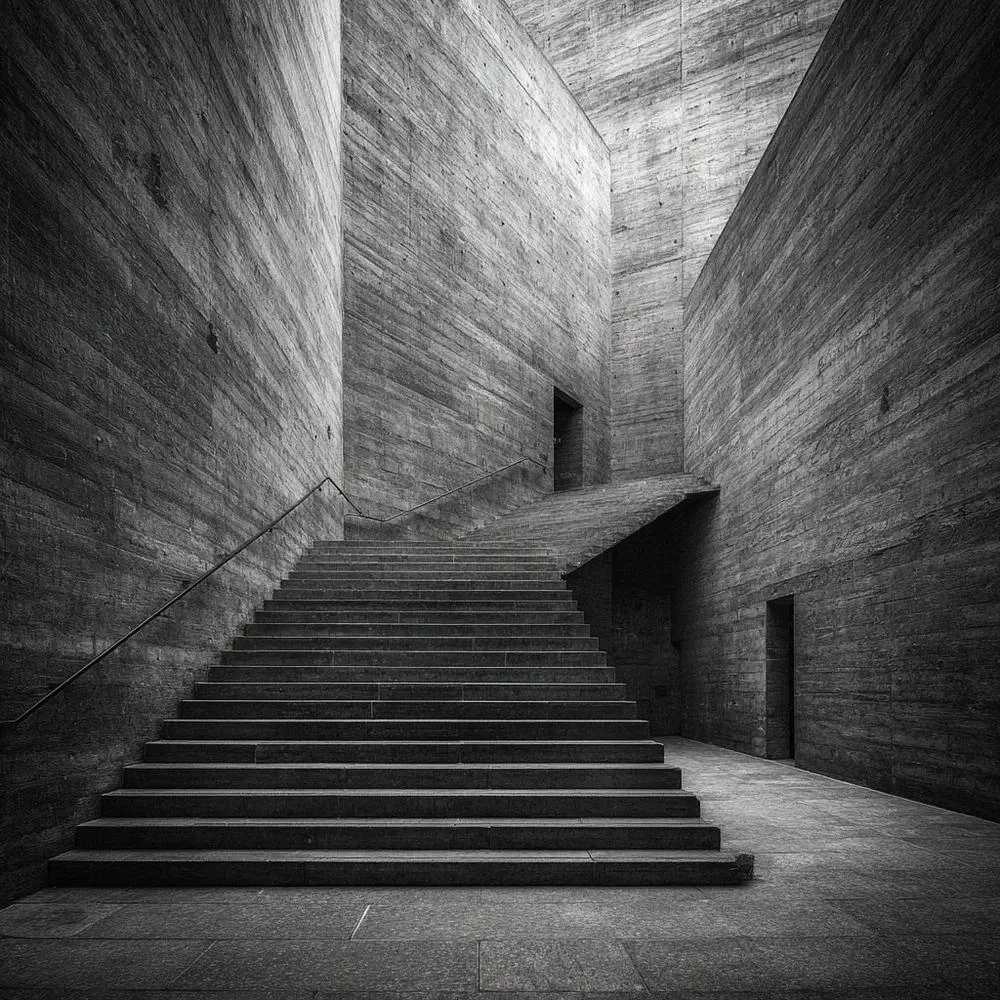
A published poet, visual artist, and certified Listener Poet, she works across literary and visual forms. Her artistic practice draws on material abstraction and Brutalist architecture to examine erosion, identity, cultural inheritance, and transformation. Her visual work has been exhibited in Maryland and Washington, D.C., and her poetry has been shared in literary, cultural, and civic settings.
At the center of her work is a conviction that understanding people carries responsibility. Poetry offers a practice of attention; public humanities creates space for shared inquiry; and civic advocacy asks how what we learn might inform the conditions under which people live.
For Bassey, humanity is measured not only by what we profess to value, but by how those values are reflected in our relationships, institutions, and everyday lives.
An index connecting lived experience, cultural inquiry, and civic questions. Each entry points to the work, its context, and how it may be explored.
Stewardship is informed by the Society of American Archivists Code of Ethics and Oral History Association best practices. The index opens project descriptions; source testimony is shared only through agreed permissions.
| Record identifier | Thematic index | Regional origin | Text |
|---|---|---|---|
| LEDGER-REQ-2026-001 | Linguistic Revitalization | SE Nigeria | View text → |
| LEDGER-REQ-2026-002 | Cross-Cultural Health Humanities | Global Network | View text → |
| LEDGER-REQ-2026-003 | Meaning After Rupture & Loss | North America | View text → |
| LEDGER-REQ-2026-004 | Systemic Housing Instability | Mid-Atlantic US | View text → |
| LEDGER-REQ-2026-005 | Labor & Economic Friction | Mid-Atlantic US | View text → |
5 entries
Entrusting an account to the project does not mean surrendering it. Ownership, access, review, and permitted uses are defined with narrators through clear agreements.
Long-term stewardship calls for protected originals, documented copies, integrity checks, and sustainable storage. Preservation systems are being developed around these responsibilities.
Housing. Livelihood. Care.
Civic advocacy asks what we should do with what we have come to understand. Our inquiry connects lived knowledge with questions of housing, economic opportunity, care, and equitable access to resources.
Explore Civic Life →Discuss a collaboration →The Human Reliquary Project is a public humanities initiative founded by Joy-Jayne Bassey. Recognizing lived experience as knowledge also means accepting responsibility for how it is interpreted, preserved, and used.
As the project develops, accountability calls for clear roles, documented decisions, appropriate review, and communication about who is responsible for the work. Formal governance and advisory arrangements will be published as they are established. Named collaborators and appointments are shared with permission.
Our Commitments →Define intended uses, access, and permissions with participants before recording or sharing. Ownership and custody should be set out in the relevant agreement.
Read our consent framework →Keep source testimony, transcription, interpretation, and later edits distinguishable. Document how each record was created and what changes were made.
Make access decisions according to consent and sensitivity. A label such as “restricted” does not itself secure a record.
Accountability means that care is visible in our procedures: clear responsibilities, documented decisions, and meaningful participant agency.
These frameworks inform how we approach consent, description, stewardship, and the responsibilities of preserving a human record.
Institutional inquiries →Selected photographs illustrate the themes of the work. They are not presented as documentation of project participants or locations. Event photographs and the founder portrait are supplied by the project.